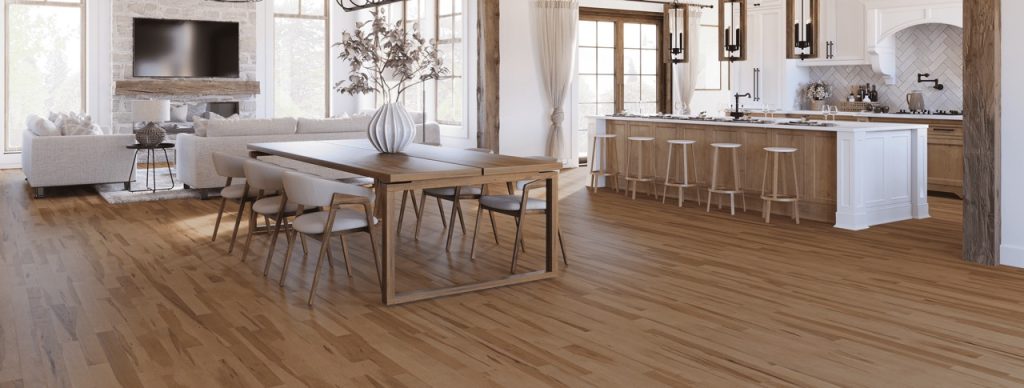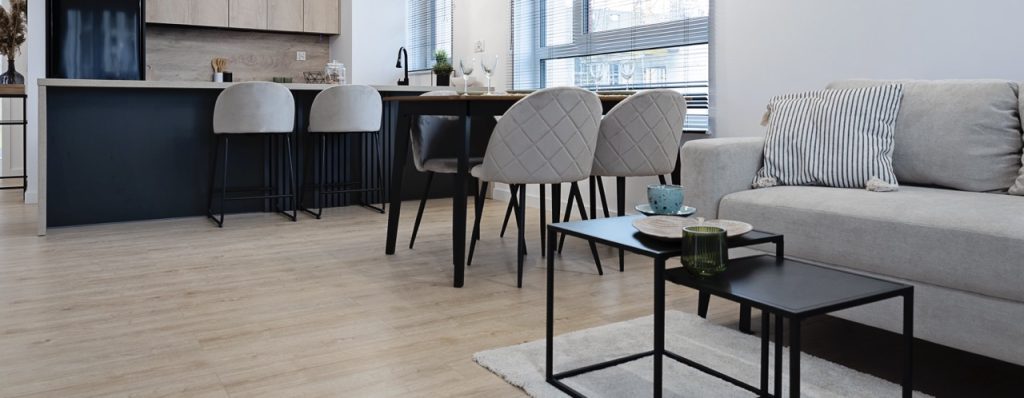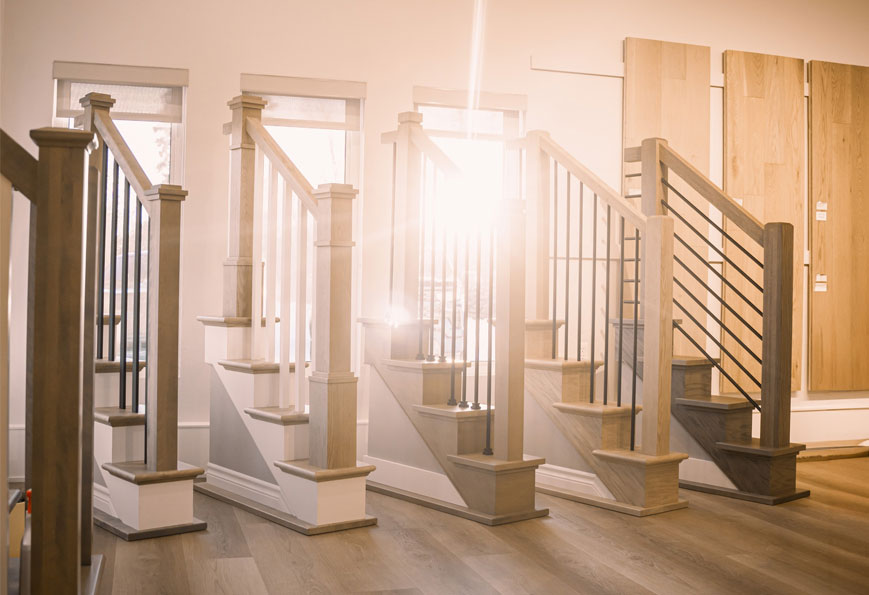
Staircases are one of the most visually dominant elements in your home, especially in open layouts where floors and stairs are seen together from multiple angles. When stairs don’t align with the flooring around them, the disconnect is obvious, even if the materials are high quality.
Matching stairs to your flooring isn’t about using the exact same product. It’s about choosing the right materials and finishing process so the two work together as a unified design. It starts with understanding how the process actually works.
Always Choose Your Flooring First
The most important rule when it comes to stairs is simple: flooring comes first. Your flooring decision establishes the tone, colour direction, and grain character for your home. Once that’s locked in, the staircase can be designed and finished to match it as closely as possible.
This applies whether your flooring comes from Domus or somewhere else. In fact, many clients work with Domus exclusively for stairs because of the level of control and expertise involved in the matching process.
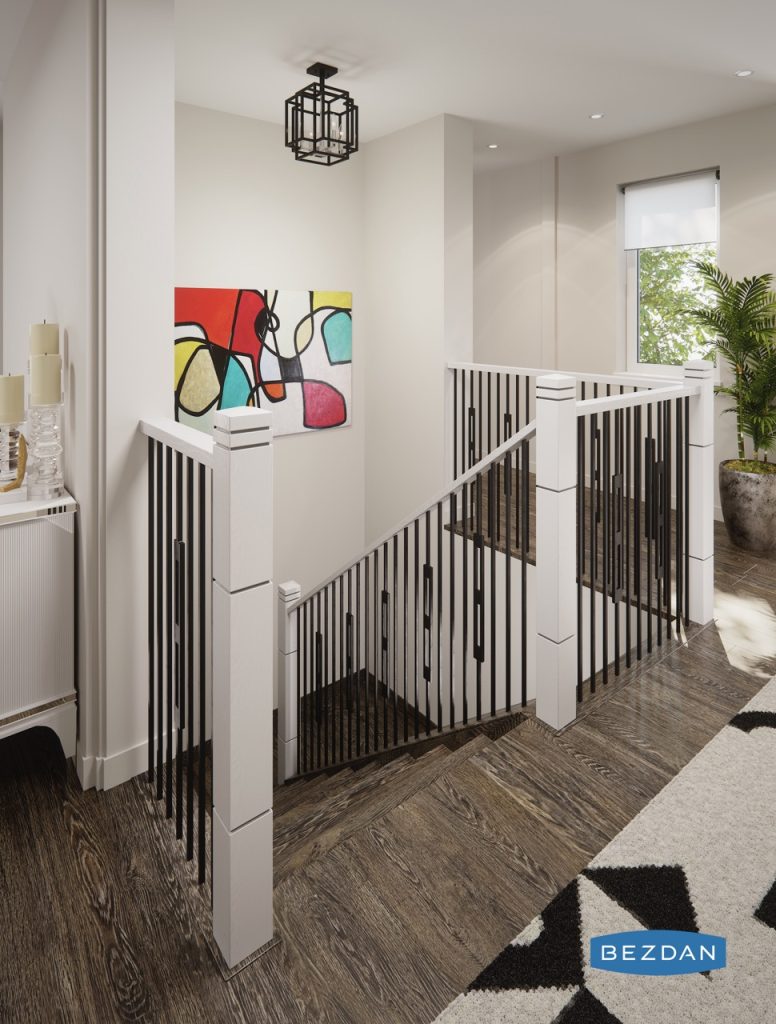
Matching Starts With Real Samples, Not Photos
Stair matching is never done from pictures alone. Lighting, cameras, and screens distort colour far too much.
To properly match stairs, we typically work from two to three actual flooring boards. Physical samples allow undertones, grain patterns, and finish depth to be evaluated accurately. This is essential when the goal is a cohesive result.
Two Ways Stair Finishes Come To Life
There are two primary finishing processes used to match stairs to flooring, and understanding the difference explains both the visual result and the cost.
ONE-STEP
A one-step finish involves sanding the wood and applying stain in a single process. This is the most common approach in builder-driven projects because it controls cost and delivers a consistent, clean look. The trade-off is that the natural fibres of the wood can introduce subtle pink or reddish undertones, depending on the species and stain colour.
TWO-STEP
A two-step finish adds an extra stage. The wood is first treated with a white undertone to neutralize the natural colour in the fibres. Once that base is established, the final stain is applied. This process requires significantly more labour and typically adds 30–40% to the finishing cost, but it allows for a much closer match, especially with lighter or more nuanced flooring colours.
Why Wood Species Matters More Than You Might Realize
As a general rule, matching the staircase species to the flooring species whenever possible is the best recipe for success. For example oak floors pair best with oak stairs, birch with birch, maple with maple, and so on.
Different woods also absorb staining differently. Starting with the wrong species makes colour matching harder, less predictable, and often more expensive.
The White Oak Exception
Many flooring regrets come down to finish, not the material. Older glossy hardwood finishes reflect light aggressively and show every dent, scratch, and mark — especially in large, sun-filled open spaces. This is why matte and low-sheen finishes have become the preferred choice.
A matte finish softens light, reduces glare, and hides everyday wear far better than glossy surfaces. In an open-concept home where flooring covers a large continuous area, this choice alone can dramatically change how forgiving and comfortable the space feels.
Light Colours Are Harder Than Dark
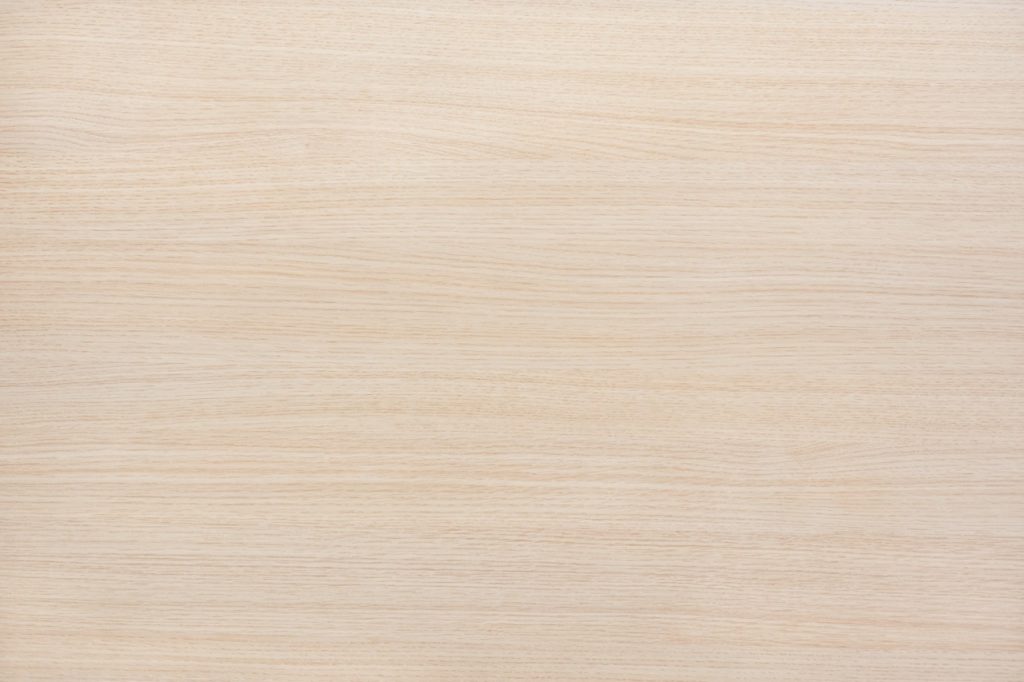
One of the most important realities homeowners and builders need to understand is that lighter tones are harder and more expensive to match than darker ones.
Dark stains are more forgiving and easier to blend across different components. Light tones expose every variation in wood fibre and finish depth, which is why they often require two-step finishing to get right.
If a home has a large stair run or a very light floor colour, this should be factored into your budget early in order to avoid surprises later.
How Stain Affects Durability And Appearance
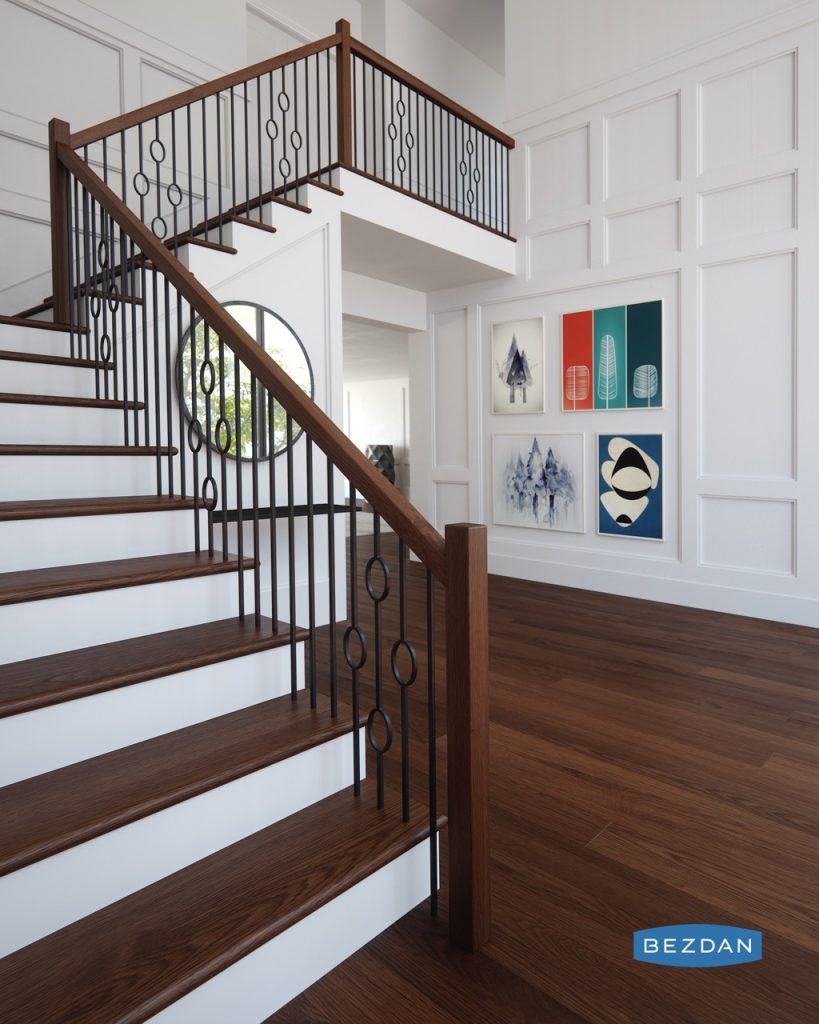
Not all woods accept stains the same way. Grainy, porous woods like red oak, white oak, and ash absorb stain more deeply and evenly. Less porous woods like maple and birch don’t absorb stain as readily, which can make colour matching more challenging and surface wear more noticeable over time.
The deeper the stain penetrates, the more forgiving the staircase is to everyday wear, especially on high-contact surfaces like treads and nosings.
Matching Stairs Doesn’t Happen By Accident
It happens by choosing flooring first, working from real samples, matching the right species, and selecting the finishing process that aligns with your budget and the level of precision required. Plan early, understand the trade-offs, and the result is a staircase that feels like it belongs in your home and just not something that was added on later.
The Floor Is Yours.